By SF Pet Waste Removal
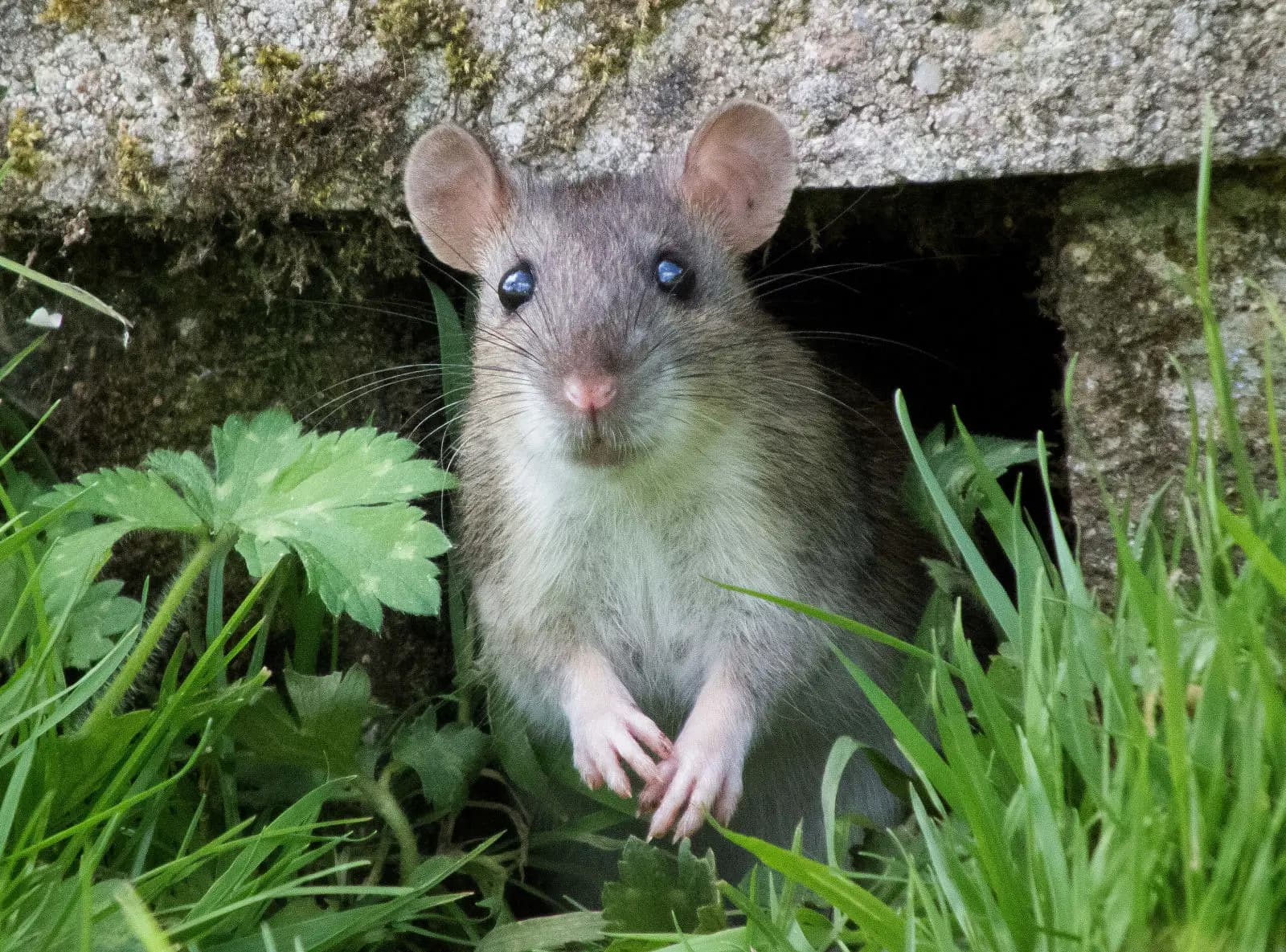
Yes — dog waste is one of the most reliable food sources for Norway rats, the species responsible for virtually all urban infestations in San Francisco. In a city where rats are already a baseline condition, leaving waste in your yard even briefly creates the kind of consistent, ground-level food source that brings them in and keeps them coming back.
Dog poop is food, not waste, to a rat
Norway rats are highly adaptable omnivores. Dog feces provides them with protein, moisture, and calories — everything they need — in a predictable location they can find and revisit. Rats have excellent spatial memory. Once one finds a feeding spot, it returns on a nightly route. If food keeps appearing in the same place, it marks the site using scent trails that signal other rats to follow. What starts as one rat becomes a group using the same location.
San Francisco's rat problem makes this especially serious
San Francisco consistently ranks among the worst cities in the United States for rat activity. Dense housing, aging sewer infrastructure, and mild winters that allow year-round breeding all contribute. Rats here are not a seasonal concern — they are a permanent feature of the urban environment, and any reliable outdoor food source has a good chance of being discovered within days.
The city's Department of Public Health lists pet waste as one of the primary attractants cited in residential rat complaints. A yard with regular waste accumulation is not just unsanitary — it is actively advertising itself to the local rat population.

Once rats establish a feeding site, more follow
This is where the problem compounds fast. Rats are social. A single rat that finds a feeding site leaves scent markers — chemical signals that persist on the ground even after the waste itself is gone — that guide others to the same location. A yard that accumulates waste regularly can go from one visiting rat to an established colony in a matter of weeks.
- A female Norway rat produces up to five litters of eight to ten pups per year under good feeding conditions.
- A colony that establishes near a consistent food source tends to range toward the nearest structure — which is usually your house.
- Rats can chew through wood, soft concrete, and aluminum. Once they are in close proximity, keeping them out requires serious exclusion work.
- Scent trails left by rats persist for weeks, continuing to attract others even after the food source is removed.
The disease risk doubles
Dog waste already carries significant pathogens — roundworms, hookworms, giardia, and high concentrations of fecal bacteria. When rats feed on that waste and then move through the same yard, they layer additional contamination on top: leptospirosis, salmonella, and rat-bite fever are all transmitted through rat urine and droppings. A yard that is attracting rats is a yard with a compounding sanitation problem, not just a pest problem.
Children who play in the yard and dogs that sniff or lick the ground face the highest exposure. Both are pathways that are easy to overlook because the contamination is invisible.
Regular removal eliminates the incentive
Rats do not establish routes around locations that offer nothing. Removing the food source consistently — before waste has time to be discovered and catalogued — removes the reason for them to visit. A yard cleaned on a reliable schedule gives rats no foothold. Once an existing feeding site has been cleaned and maintained for several weeks, scent trails fade and the colony moves on.
If your yard is already seeing rat activity, consistent waste removal is the first and most important step — ahead of traps, poison bait stations, or any other pest control measure. A professional pooper scooper service that cleans on a fixed schedule handles that baseline for you, every week, without you having to manage it.
Cut off what's drawing them in
Rats follow the food. The single most effective step in keeping them out of your yard is removing the waste that attracts them — reliably, before it's discovered. We handle weekly dog waste removal across San Francisco so there's nothing left to find.
Get a free quote