By SF Pet Waste Removal
Yes, significantly — and not just as a cosmetic problem. Dog waste kills grass, alters soil chemistry, and introduces pathogens that survive in the ground long after the poop itself is gone. The effects compound over time in ways that are genuinely difficult to reverse without serious intervention.
The fertilizer myth is wrong — and the reality is worse
The most persistent misconception about dog waste is that it works like natural fertilizer. It does not. Cow and horse manure function as soil amendments because those animals eat grass and grain, producing waste that is low in nitrogen and rich in broken-down plant material. Dogs eat high-protein food, which produces waste that is extremely acidic and loaded with nitrogen at concentrations grass cannot absorb.
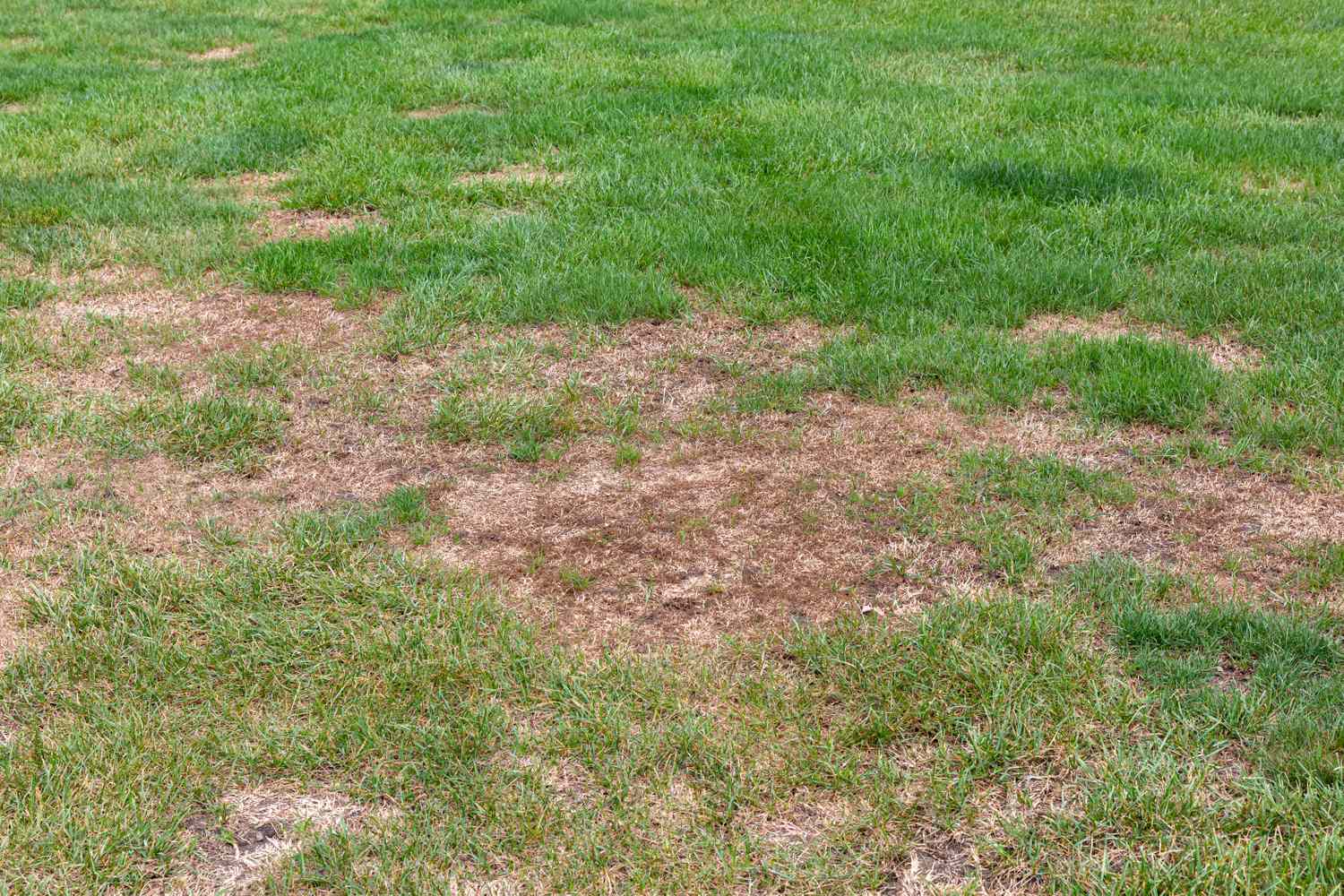
The result is the opposite of fertilization: nitrogen burn. That same chemical element that encourages growth at the right dose destroys plant tissue at high concentration. The dead or yellow patches that appear where dogs repeatedly go are not incidental — they are a predictable chemical outcome. Dogs tend to favor the same spots, and each visit compounds the damage to already-compromised soil.
The damage goes well beneath the surface
The visible waste is only part of the problem. A single gram of dog feces contains an estimated 23 million fecal bacteria. Beyond bacteria, dog waste commonly carries parasites whose eggs and larvae survive in soil long after the poop itself has been removed or broken down:
- Roundworm eggs (Toxocara canis) can remain viable in soil for two to four years — making a previously contaminated patch dangerous long after it appears clean.
- Hookworm larvae persist in moist soil for months and are capable of penetrating bare skin, including the feet of children playing in the yard.
- Giardia cysts survive for weeks in damp conditions and can infect both other dogs and, in some cases, people.
- High bacteria concentrations alter the microbial balance of the soil itself, affecting how well it supports healthy grass over time.
Accumulation causes damage that resists repair
A single deposit left for a week causes measurable damage to the grass underneath. Deposits left in the same locations repeatedly — as most dogs tend to do — layer damage on top of damage. Heavily used patches can develop soil chemistry so altered in pH and bacterial load that reseeding fails without first treating the ground. Some areas may require removing and replacing topsoil entirely before grass will take hold again.
This is not a slow, theoretical degradation. In a small San Francisco yard, three or four weeks of accumulation can visibly destroy several square feet of lawn and leave soil conditions that persist for months after regular cleaning begins.
San Francisco's wet season actively spreads the damage
Rainfall does not dilute or neutralize dog waste contamination — it spreads it. During San Francisco's wet months, water moves bacteria, parasite eggs, and nitrogen overload laterally across the lawn surface and deeper into the soil below, expanding the affected area well beyond the original deposits. That runoff eventually reaches storm drains, which in San Francisco discharge directly to the Bay without treatment.
What consistent removal actually prevents
Removing waste before it has time to break down and leach into the soil prevents most of this. The grass stays intact, soil chemistry stays balanced, and the parasite load stays low. For yards with existing damage, regular removal combined with periodic enzyme-based sanitizing treatments — which break down residual bacteria and help restore soil balance — can reverse the worst effects over time.
A weekly pooper scooper visit is enough to stay ahead of the damage for most households. Twice-weekly service is worth considering for smaller yards, multiple dogs, or spaces that double as play areas for children. The goal is simple: remove it before it has time to do the work.
Protect your lawn before the damage sets in
Nitrogen burn and soil contamination start the moment waste sits on the grass. We remove it on a regular schedule across San Francisco, so your lawn stays intact instead of needing to be restored.
Get your yard cleaned